Share
Share
By Karen Wollard, Ed. D., CHDM, HSMAI Research Manager
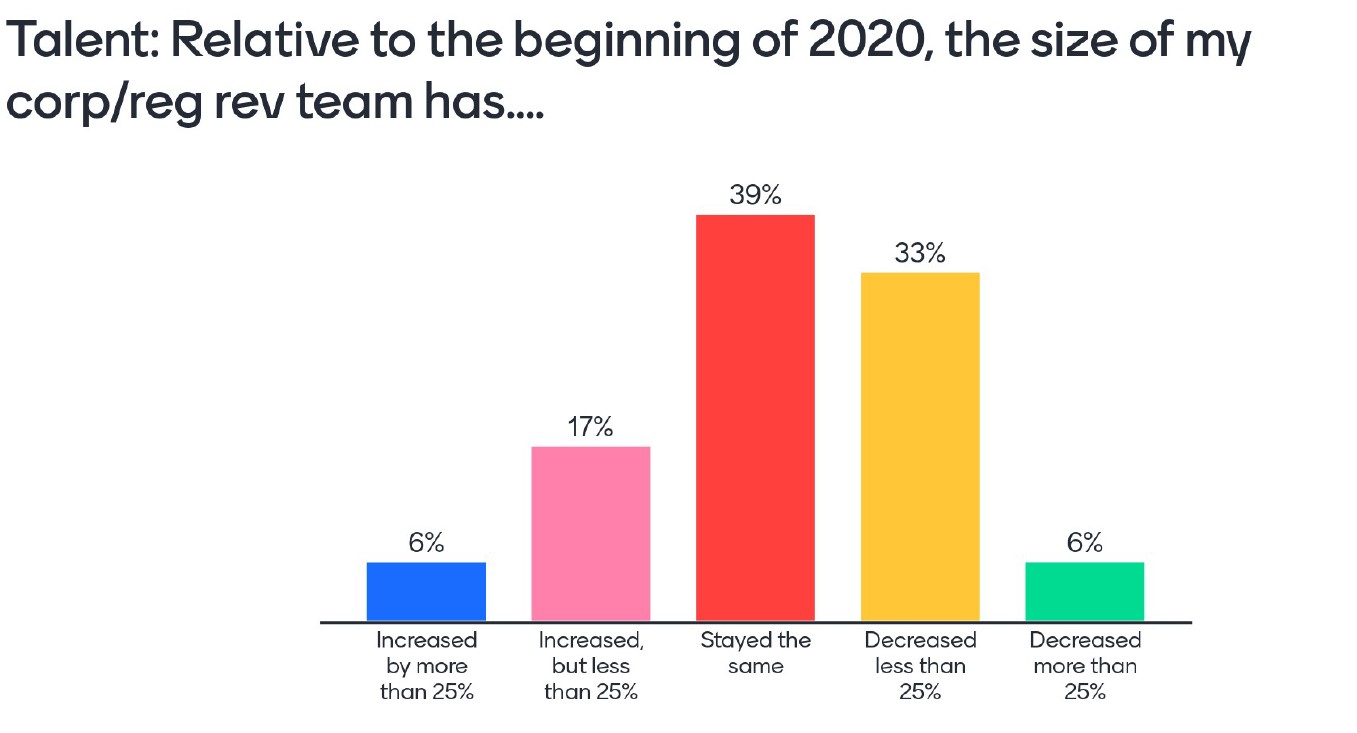
One of the most common themes across all areas of hospitality, when it comes to talent, has been the need to do more with less. With the abrupt shutdowns caused by the pandemic in 2020, initial cutbacks were a necessity for surviving the crisis. Commercial teams sought profitable strategies, focusing on cutting costs while aiming to identify, attract, and book market segments that were still traveling. This often meant eliminating outside contractors or consultants or moving everything in-house, just as the markets became more unpredictable and volatile.
 Suddenly, marketing teams were doing their own media planning, buying and execution, without depending on the expertise of agencies and research firms. Social media demand exploded, with some hotels using their platforms for transactions, not just as brand awareness vehicles. Salespeople were working to drive revenue, not spending as much time on reporting or administration, while often doing double duty in covering other departments.
Teams had to think differently and deploy people in new ways. This focus often came at the expense of human experience and connections. Long-term relationships with colleagues, clients, contractors, and partners were severed for many teams. One executive shared her view that it wasn’t about doing more with less; it was about prioritization, efficiency, and finding the flexibility to meet the constant changes. Cross-training became a necessity, often using internal resources or free training resources from partners such as Amadeus, Knowland, Cvent, Expedia, Google, STR, and more. Education on tools and data sources that could help find potential business was implemented across departments. Some hotel sales teams held trainings to encourage every person — front desk staff, bartenders, banquet captains, housekeeping and concierge, as well as operations management teams — to learn ways to assist in revenue generation.
Leveraging technology such as Zoom, Microsoft Teams, and OneNote helped teams stay connected. Salespeople learned how to create virtual site visits and property tours, as well as creative ways to sell their property in the absence of onsite visits. Demand for hybrid meeting resources forced group salespeople to create new video plans and packages. Workflow design applications were pulled into group meetings to search for ways to streamline clunky reporting and data flows. Some properties began using AI systems to score leads and prioritize best opportunities or propose alternative dates or patterns.
Hotel owners and asset managers at HSMAI roundtables shared lessons, beginning with the reality that profitability, not consumer satisfaction, drives decisions. In the interest of safety, guests were expected to follow new rules and accept huge cuts in amenities. In addition to checking themselves in remotely, guests didn’t receive housekeeping services or breakfasts, they couldn’t use the lobby or pool, and some complaints simply went unaddressed. The result was often the loss of any ancillary spend or loyalty development.
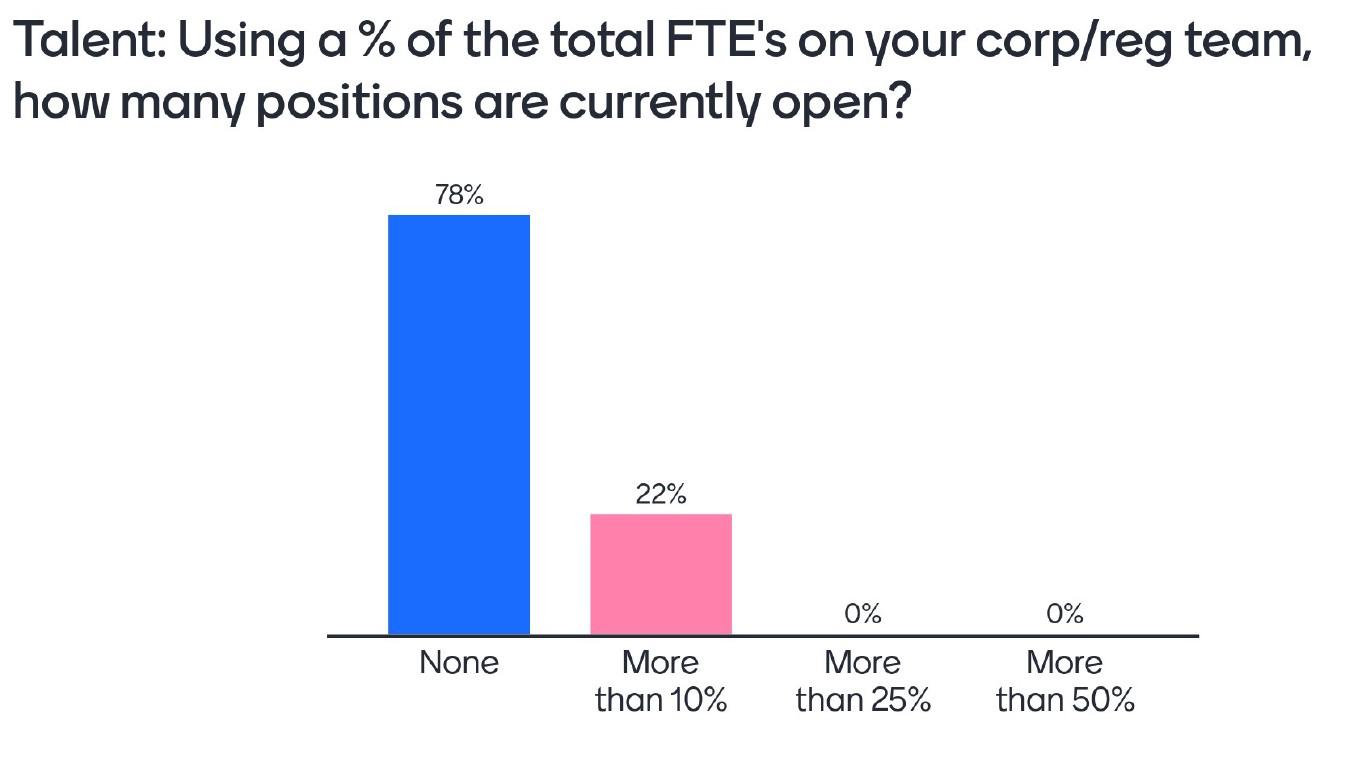
This concept of doing more with less became a two-edged sword, as workers insisted on compensation increases or other concessions to return to work, while burnout and turnover within their departments drove existing workers to seek work elsewhere. Some groups eliminated consulting and agency support to save expenditures, but found they lost the holistic view of comp sets and superior skills at strategy and execution. Still, other organizations chose to use agencies to fill gaps rather than bringing back employees. Revenue management saw a wide range of change. Some organizations that had always had singular onsite revenue managers found that remote work was possible, and that one remote worker could often manage several locations. Revenue management functions were also outsourced to consulting teams capable of managing dozens of sites.
Talent was redeployed to ensure multiple tasks were completed with less cost. Sales, revenue management, and reservations often were merged into a single team, serving multiple properties, according to Hospitality Upgrade. Sixty-nine percent of respondents in the McKinsey survey Building Workforce Skills at Scale indicated that skill-building was the most used approach for closing skills gaps, followed by redeploying remaining staffers.
Hotels have been hiring back staff who can fill multiple roles. Many learned through the small and nimble teams during the pandemic that when jobs are merged, people can fill multiple roles, boundaries (or silos) are eliminated, jobs get done, and situations can be met swiftly and effectively. Medallia Zingle’s hospitality employee experience report states that 61% of hospitality workers say they are having to do more with less, and according to Hospitality Upgrade, hoteliers are overwhelmingly recruiting (64%) and prioritizing (86%) interdisciplinary workers.
This is an excerpt from the HSMAI Foundation’s State of Hotel Sales, Marketing, and Revenue Optimization Talent: 2020-2021 special report. To learn more about the HSMAI Foundation and its mission, visit the Foundation website.


 Over the past few years, one of the main focuses of the HSMAI Foundation has been to strengthen the talent pipeline to ensure the industry has the top sales, marketing, and revenue optimization professionals it needs to grow and thrive. Elevating the overall caliber and performance of these professionals is a critical piece of our mission, and we are constantly striving to provide the resources that drive our membership forward and encourage inventive and inclusive approaches to leadership.



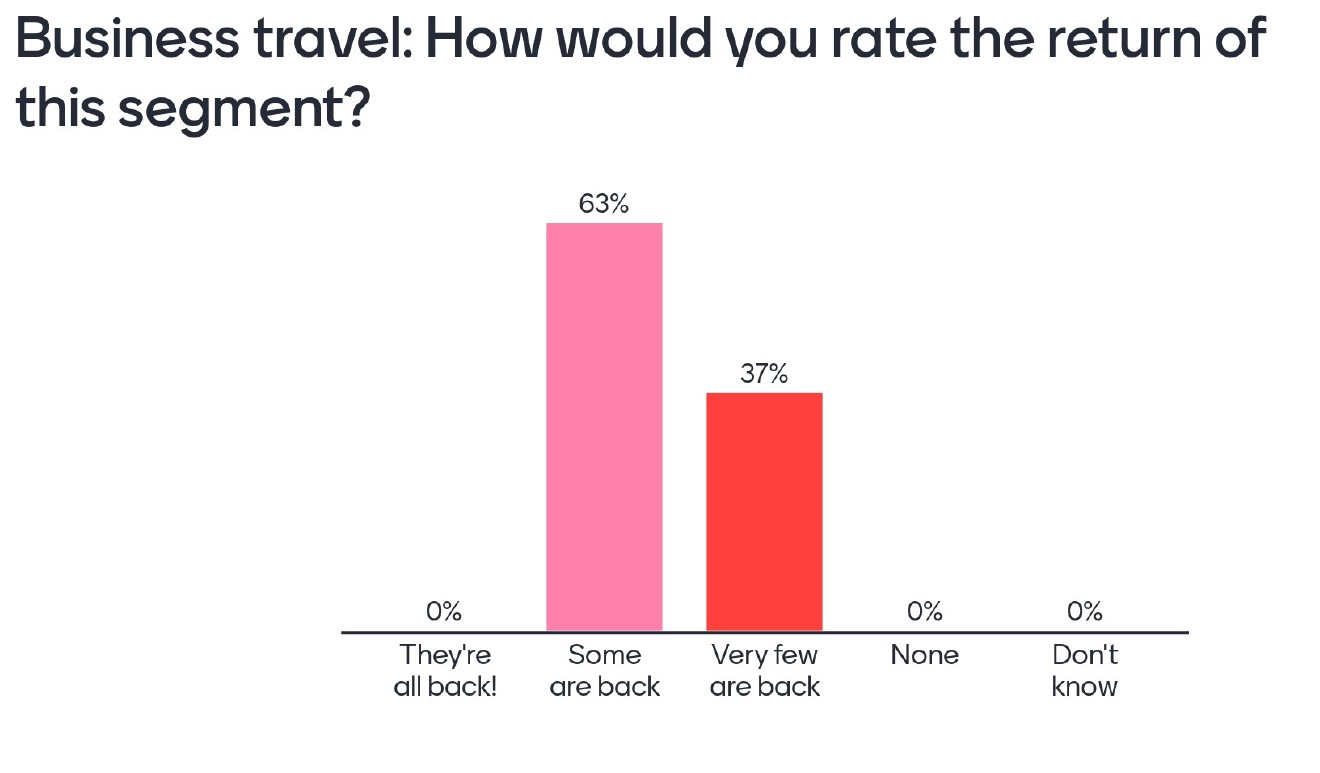 When describing the challenges of the return of business travel and relationship management, one group member expressed, “When talking with our sales leaders recently, we asked how many of their BT contacts are the same people they were working with in 2019 and, overwhelmingly, it’s all new people they’re talking to. It’s a totally new client base they have to build from scratch because every industry has had turnover during the last couple of years.”
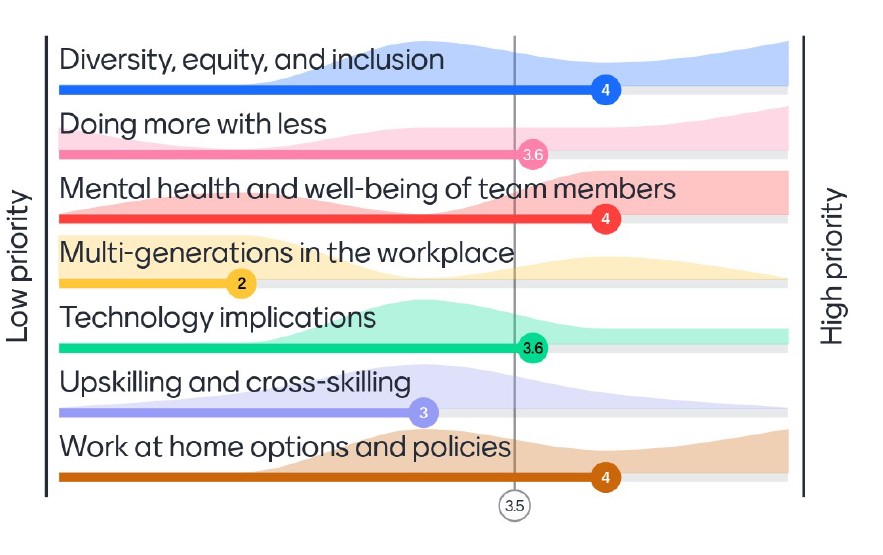
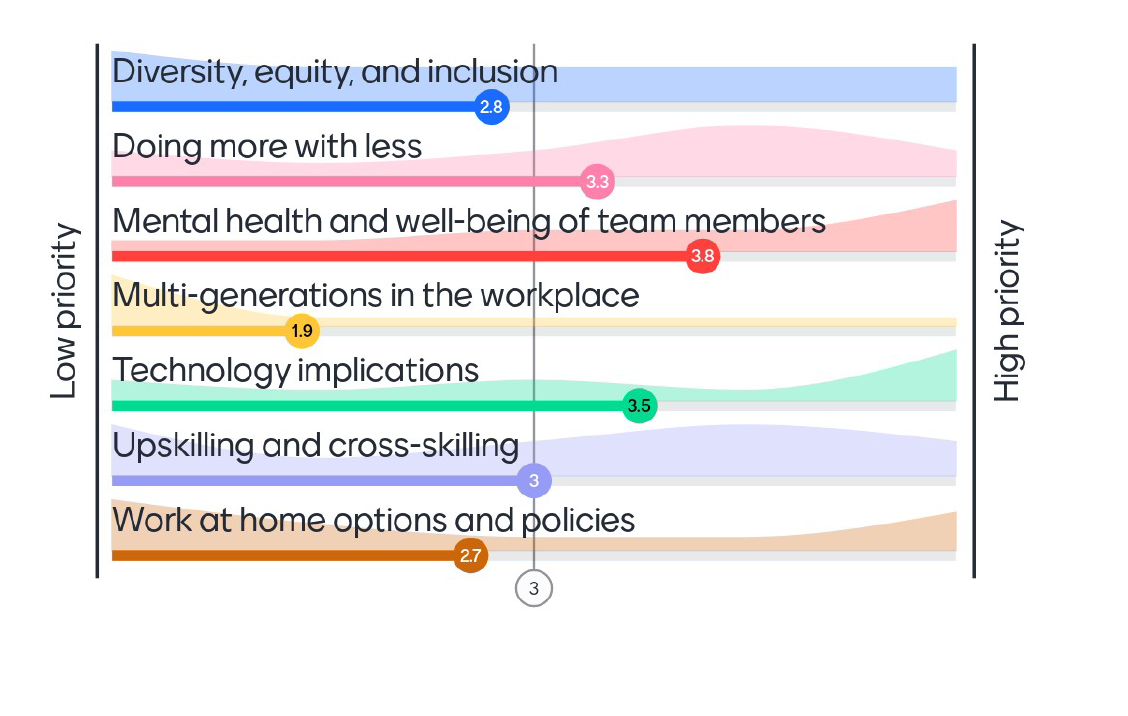 Q&A: In the new talent and work landscape of your corporate team, which of these themes are priorities for you personally in 2022?
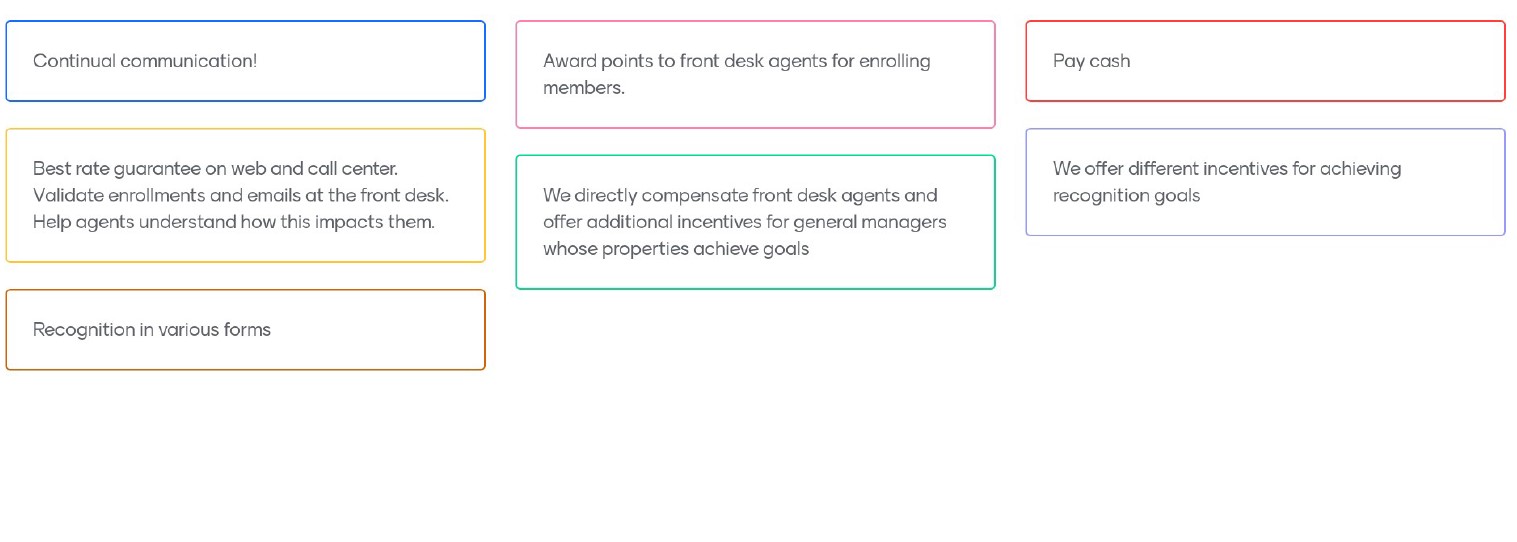 Q&A: How would you rate these challenges facing commercial talent in hospitality?
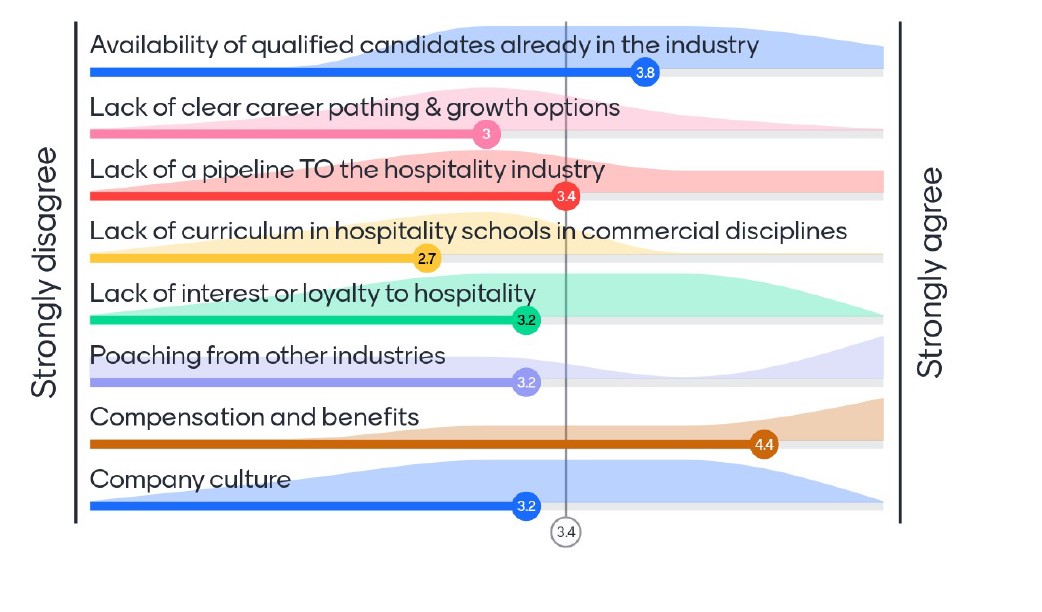 Q&A: In the new talent and landscape of your corporate team, which of these themes are priorities for you personally in 2022?